Commercial Sewage Cleanup in Coverdale, IN
Commercial sewage cleanup for Coverdale properties, with the work kept inside containment so more of the building can stay in use.
For Commercial Sewage Cleanup in Coverdale, Coverdale Water Restoration brings the equipment, the certifications, and the paperwork: 24/7 response, written scopes, and insurance claim support. Call (765) 978-5086 for dispatch.
- Service: Commercial Sewage Cleanup for Coverdale homeowners
- Service area: Coverdale, IN and surrounding areas
- Response time: 24/7 live dispatch; emergency crews prioritized for Coverdale
- Licensed and insured (License #RC21100059)
- Serving Coverdale, IN since 2018
Commercial Sewage Backup Cleanup in Coverdale
When sewage backs up in a commercial building in Coverdale, we'll contain the area so the rest of the building can keep working.
Sewer System Notes
Heavy rain can overload the sewer lines serving Coverdale and push sewage into lower levels. On the first walkthrough, we'll check where your building ties into the public sewer and whether it has a backflow valve.
We handle commercial sewage jobs anywhere in Coverdale, including the area near the Westfield downtown district. We also handle commercial sewage backups in Zionsville, Noblesville, Carmel and Westfield.
Commercial Sewage Cleanup for Coverdale Businesses
Equipment needs a staging spot and waste needs a route that avoids occupied space, so the first conversation on a sewage job in Coverdale is about building logistics. Coverdale Water Restoration reviews dock access and security procedures with your property manager, and the crew uses the route you approve for equipment in and waste out.
What sits under the floor covering gets checked, because carpet tile and sheet vinyl can both hide wet adhesive and a damp slab. The crew lifts sections along the wet edge and reads the slab and base, then writes down what it finds before deciding how far removal goes in your Coverdale space.
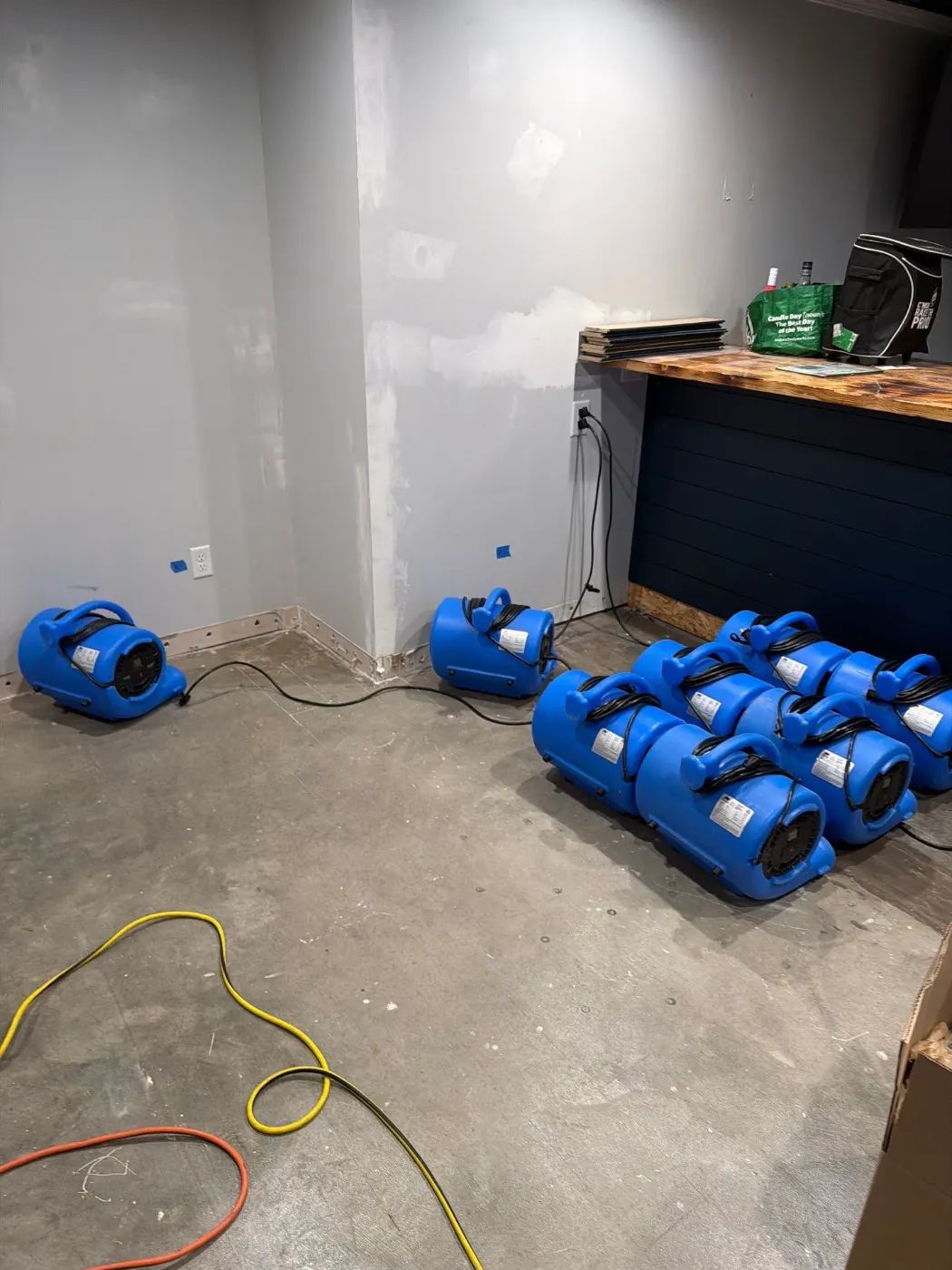
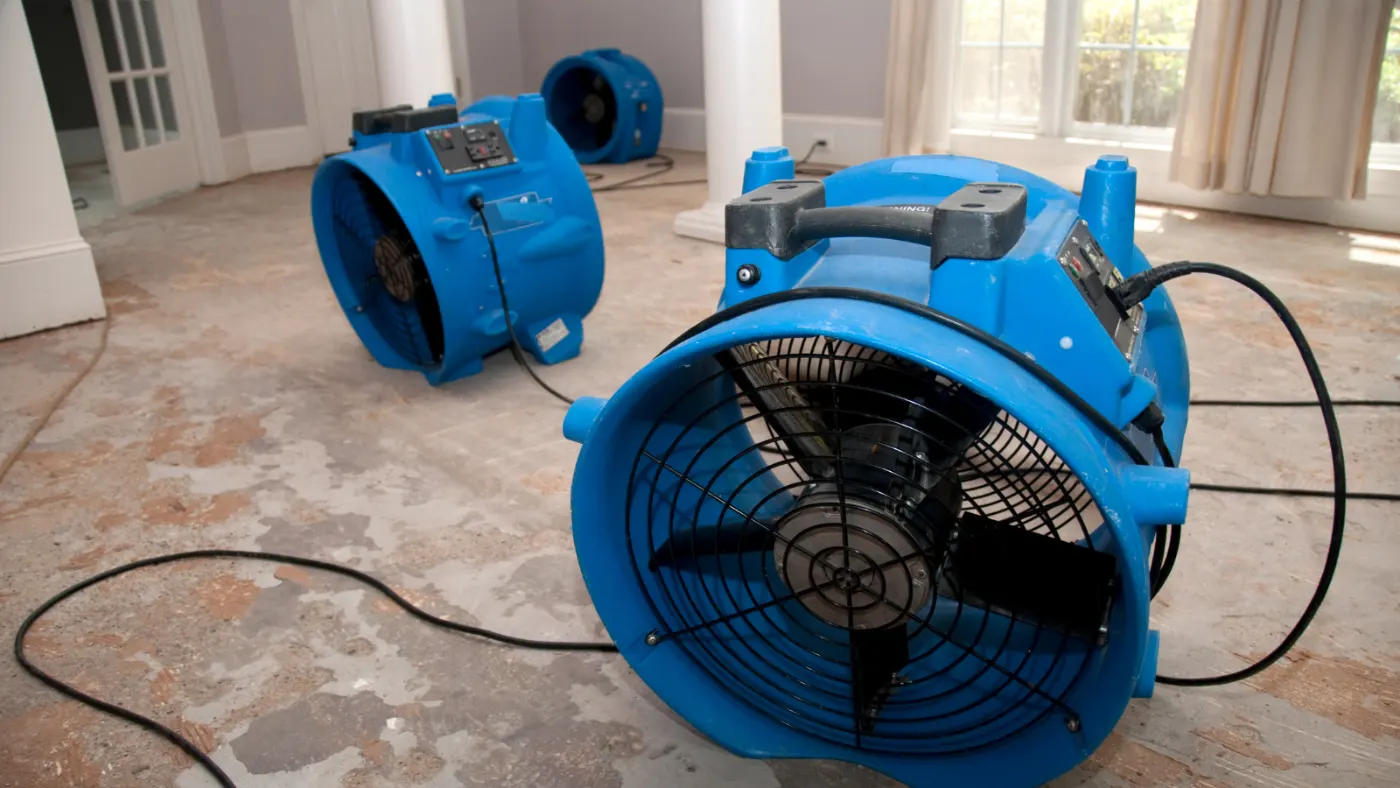
Drying on every Coverdale Water Restoration job runs to readings. Air movers go in at calculated placement around the wet zone, dehumidifiers get sized to the affected cubic footage and the amount of wet material, and moisture content gets logged daily by location and material against unaffected baseline readings taken elsewhere in the same building. Equipment moves as the wet zones shift, and the phase ends when the numbers match the baseline.
Coverdale Water Restoration documents a commercial sewage loss with photographs of every affected area, measurements, the water category with the source evidence, an itemized removal and cleaning scope, equipment placement and daily moisture logs. You and your broker take that record to your carrier, and the adjuster makes the coverage decision. The file is ready the same day the crew documents it.
If part of your property is closed right now because of a sewage loss, every hour of it shows up somewhere in the numbers. Coverdale Water Restoration dispatches to Coverdale commercial emergencies within 2 hours with containment and the documentation that supports a business interruption claim. Call and we'll start the file today so your carrier has something to read.
Signs You Need Commercial Sewage Cleanup
If you notice any of these in your Coverdale building, schedule a free inspection before the issue worsens.
Water seeping through a slab joint in a basement corner with a sewer smell
An ejector pit high level alarm sounding, or a pit you can see standing full
Sewage odor rising from a floor drain that was dry and odorless the week before
Water on a slab along the wall where the building's sewer line runs out to the street
A backflow preventer weeping or discharging onto the floor around its base
Drywall and base trim going soft along the bottom few inches of a restroom wall
Odor that gets stronger the closer you walk to the lowest floor drain
Paper, solids, or sediment visible on a floor after standing water has receded
Carpet tile edges in a corridor outside a restroom staying damp between cleanings
Standing water collecting at the base of a walk in cooler or under its condensate line
How Coverdale Water Restoration Handles Commercial Sewage Cleanup
We follow these steps in order on every Coverdale job.
Call Intake and Triage
The dispatcher gathers the address, the affected suite or area, whether the flow has stopped and who can authorize work. Those answers shape the crew's equipment list and the order of the first walkthrough.
Source Shutoff and Power Check
Your maintenance team and plumber take affected fixtures out of service while the crew confirms which circuits serve the wet area. Outlets and panels near standing water get isolated before any pump or extractor is plugged in.
Waste Handling and Disposal
Bagged waste goes into a lined container staged near the exit and stays closed between loads. Hauling receipts and load counts go into the job file so the disposal record lines up with the removal scope.
Drain and Trap Cleaning
Floor sinks and trench drains get opened and scrubbed by hand so the antimicrobial that follows reaches clean surfaces. The crew photographs each drain before and after cleaning, and traps are checked for leftover debris.
Air Cleaning and Odor Check
HEPA air scrubbers run until the last surface is cleaned, then get switched off for an odor walkthrough of the closed space. Lingering odor sends the crew back to the material still holding it.
Commercial Sewage Cleanup in Coverdale
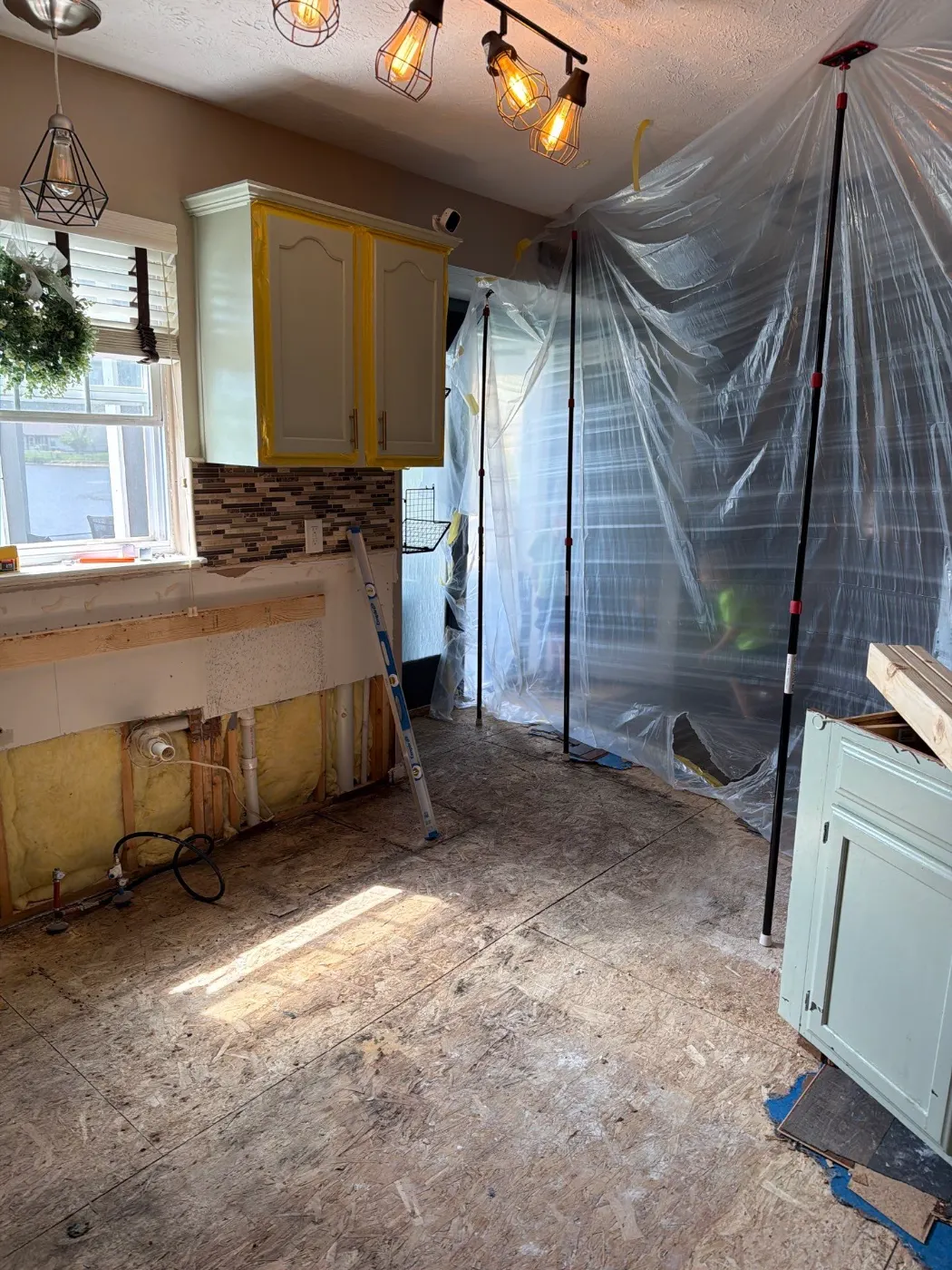
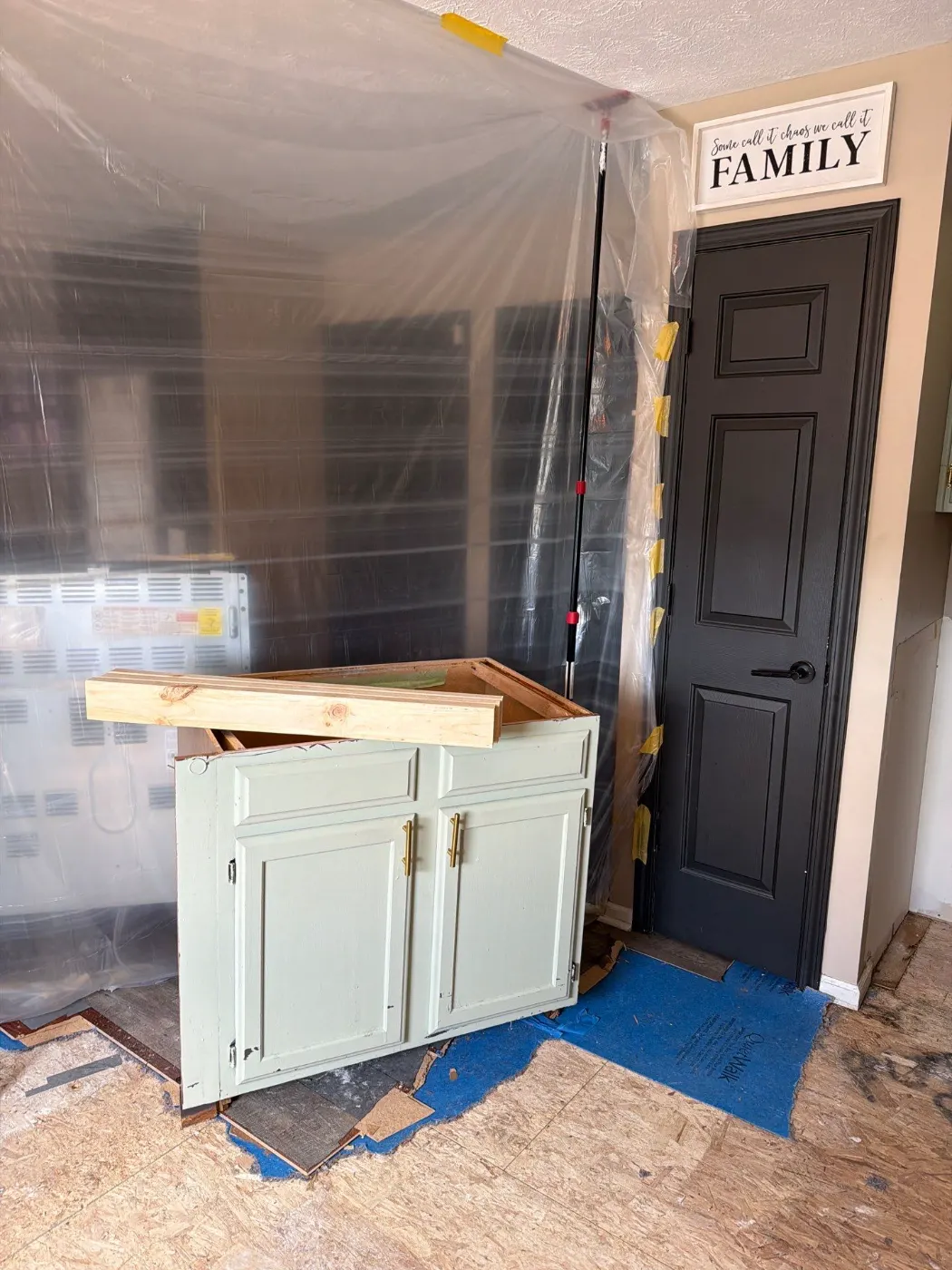
Photographs from real commercial sewage cleanup jobs completed by our crew in Coverdale and surrounding areas.
Commercial Sewage Cleanup FAQ
Questions Coverdale property managers ask us about commercial sewage cleanup.
Guidance and Standards for Commercial Sewage Cleanup
- The ANSI/IICRC S500 is the published standard for professional water damage restoration. The current edition is the Fifth Edition, 2021. IICRC S500 Standard
Other Restoration Services in Coverdale
Coverdale Water Restoration handles the full scope of restoration work. Explore our other services below.
Water Damage Restoration in Coverdale
24/7 emergency response. IICRC certified water restoration from extraction to full dry out.
Learn more →Basement Flooding in Coverdale
Basement water emergencies handled fast. Extraction, drying, mold prevention.
Learn more →Sewage Cleanup in Coverdale
Category 3 biohazard cleanup. Full containment, decontamination, structural restoration.
Learn more →Request Commercial Sewage Cleanup
Reach Us Directly
Our team is available 24/7 for emergencies and ready to schedule inspections during business hours.
Need Immediate Help?
For active water or mold emergencies, call us directly. We are available 24/7.