Commercial Water Restoration in Coverdale, IN
Condensate overflows and roof drain leaks in Coverdale buildings get traced to the source and dried to the readings.
Coverdale Water Restoration handles Commercial Water Restoration for Coverdale, IN homeowners: emergency dispatch around the clock, IICRC certified technicians, and insurance coordination on approved claims. Call (765) 978-5086.
- Service: Commercial Water Restoration for Coverdale homeowners
- Service area: Coverdale, IN and surrounding areas
- Response time: Same day emergency response for Coverdale; 24/7 availability
- Licensed and insured (License #RC21100059)
- Serving Coverdale, IN since 2018
Commercial Water Damage Restoration in Coverdale
We handle commercial water damage restoration throughout Coverdale, and we'll stay on it from the first walkthrough to the final moisture readings.
Site Conditions
Parts of Coverdale sit near regulated floodplain. A high water table can keep water against foundations and lower levels after a storm. Your building's own drains and roof get checked on the first walkthrough with whoever manages the property.
We cover commercial properties across Coverdale, including the area around the Westfield downtown district. We also handle commercial water losses in Zionsville, Noblesville, Carmel and Westfield.
Commercial Water Restoration for Coverdale Businesses
Saturated carpet tile, ceiling tiles on the floor, and cubicle panels wicking water up from the base is what a ceiling failure looks like the morning after. Those materials dry on different curves and some of them don't dry at all. Coverdale Water Restoration dispatches to commercial water losses in Coverdale within 2 hours and sorts salvageable material from material that has to come out, with moisture readings behind every call.
Finding where the water went decides the whole scope. Coverdale Water Restoration crews map with thermal imaging, moisture meters and small inspection holes, then record readings by location so the next day's numbers mean something. On a loss that crossed floors in your Coverdale building, that mapping is usually what finds the areas nobody had reported wet yet.
Extraction runs before any drying equipment goes in. Submersible pumps take standing water, truck mounted units pull saturation out of commercial carpet and glue down assemblies, and weighted extraction heads work the backing where water held. On large floor plates crews work in sections so water doesn't get pushed into dry areas. Volume removed gets recorded, since it feeds the drying calculation that sizes the equipment.
Choose one person to speak for the property with the carrier and give that person the file. Conflicting accounts from different staff members slow a claim down. Coverdale Water Restoration sends every update for your Coverdale building to that one contact, with the readings and photographs attached, so the carrier hears a single version of events.
Owners who run the business and the building at once get a plain written scope from Coverdale Water Restoration, with the readings and photographs behind it, so decisions about your Coverdale space can be checked against the numbers. Phone (765) 978-5086 to set up the walkthrough and talk through what you're seeing.
Signs You Need Commercial Water Restoration
If you notice any of these in your Coverdale building, schedule a free inspection before the issue worsens.
Musty smell in a stockroom or storage closet that wasn't there last week
Standing water in the lift pit, or a pit alarm showing on the monitoring panel
Recessed lights flickering or a breaker tripping in a room with a stained ceiling
Water spreading from a laundry room or mailroom door into the common corridor
Water running down stairwell treads or collecting on a landing below an upper floor
Condensate overflowing from an air handler pan onto the mechanical room floor
Fire sprinkler discharge with water still spreading out across the floor plate
Carpet in the sanctuary or fellowship hall squishing underfoot after a weekend storm
Rust staining at the base of steel studs, shelving uprights or racking posts
Resilient tile seams popping loose, with tiles rocking underfoot along a corridor
How Coverdale Water Restoration Handles Commercial Water Restoration
We follow these steps in order on every Coverdale job.
Containment and Zone Planning
Affected areas get polyed off and put under negative pressure where the water category calls for it, with corridors and egress kept clear. Zone boundaries get drawn with your management office so unaffected tenants keep working.
Overhead Water and Ceilings
Sagging ceiling panels are punctured over protection so trapped water drains into a controlled spot. Wet tile and insulation come down, and the grid gets checked before the plenum above it gets dried.
Structural Drying Design
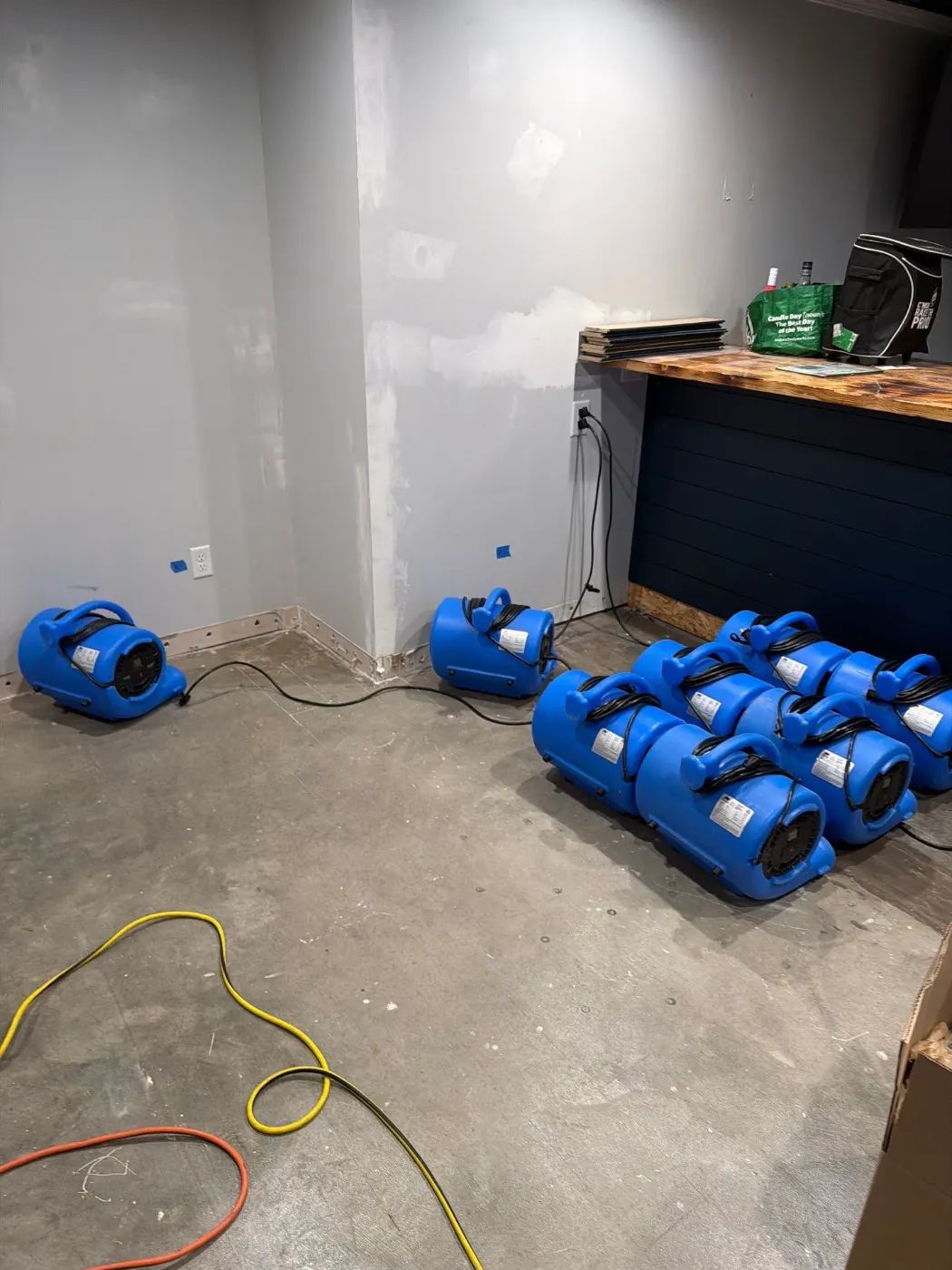
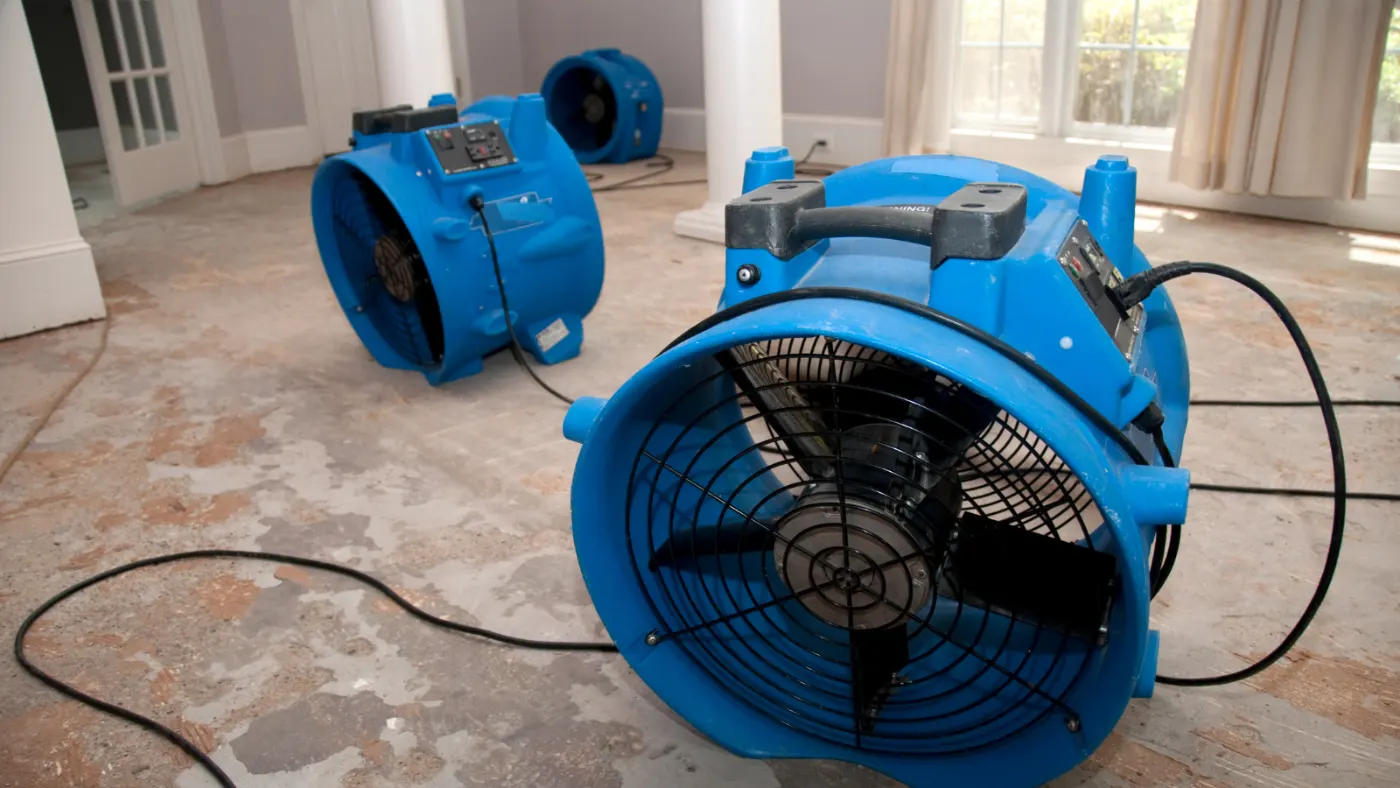
Dehumidification gets sized from affected cubic footage and material porosity, with dry air ducted into ceiling plenums, wall cavities and shafts. Air movers get placed to keep surface air moving, and the calculation gets revised as readings change.
Tenant Notices and Updates
Plain language notices go out to the tenants in your Coverdale building saying which areas are affected and when crews will be in the space. Updates follow as the readings change, with a contact name for questions.
Repair Scope Handoff
Coverdale Water Restoration lists every removed material by room with measurements and photographs. Your repair contractor prices from that list and the final readings, and the slab results tell the flooring installer when the floor is ready.
Commercial Water Restoration in Coverdale
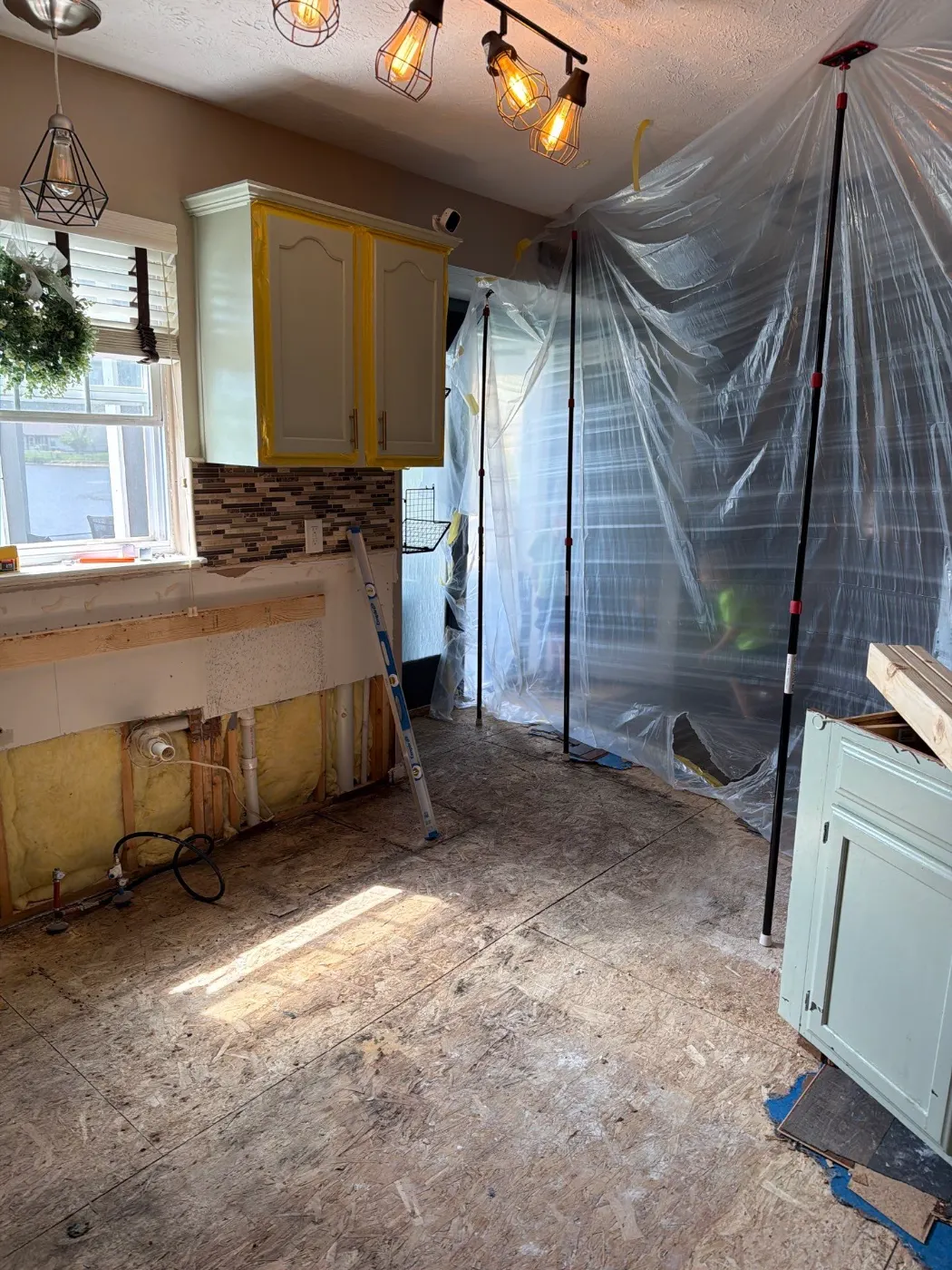
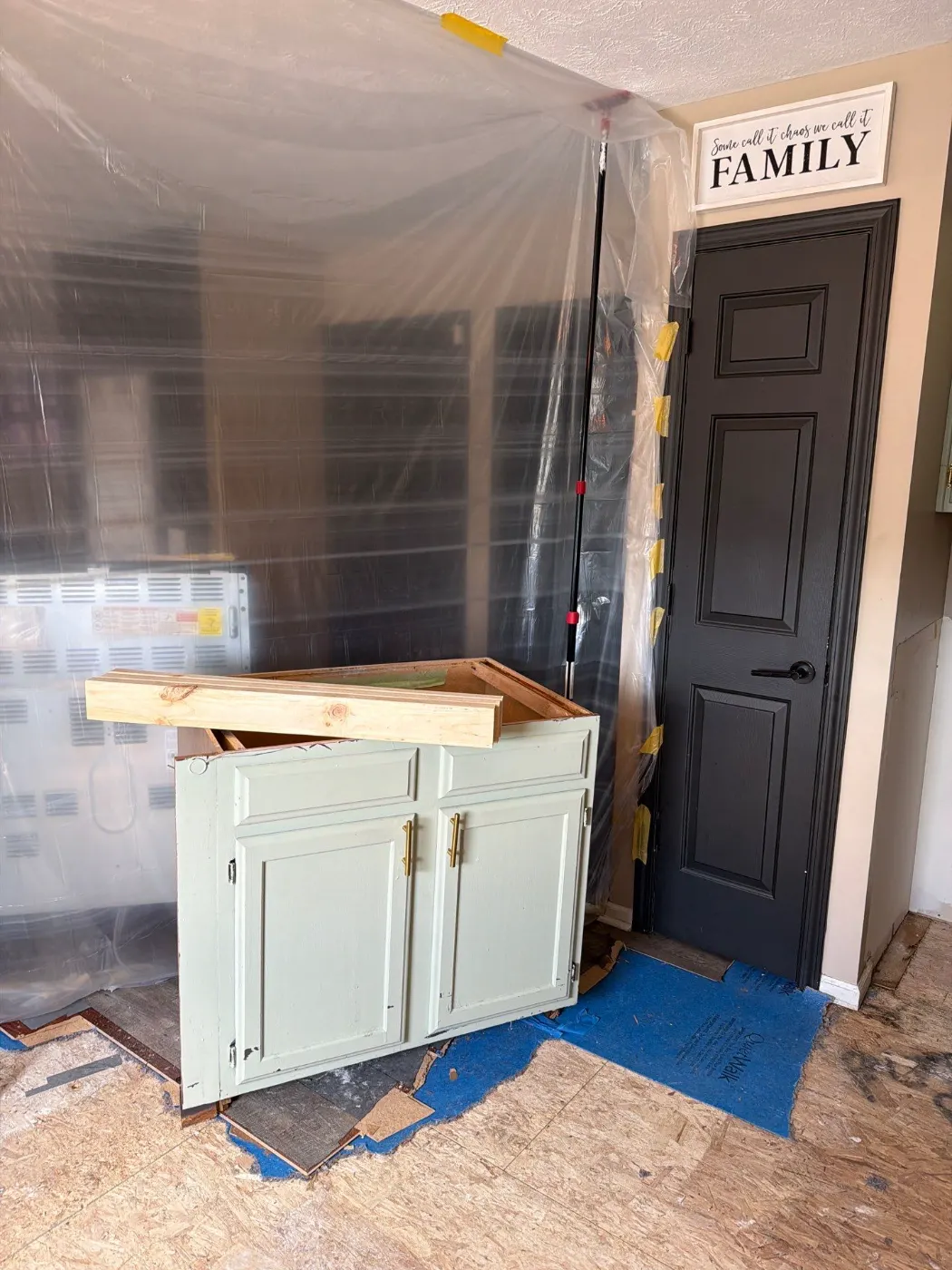
Photographs from real commercial water restoration jobs completed by our crew in Coverdale and surrounding areas.
Commercial Water Restoration FAQ
Questions Coverdale property managers ask us about commercial water restoration.
Guidance and Standards for Commercial Water Restoration
- The ANSI/IICRC S500 is the published standard for professional water damage restoration. The current edition is the Fifth Edition, 2021. IICRC S500 Standard
- EPA advises drying water damaged areas and items within 24 to 48 hours to prevent mold growth. EPA: A Brief Guide to Mold, Moisture and Your Home
Other Restoration Services in Coverdale
Coverdale Water Restoration handles the full scope of restoration work. Explore our other services below.
Water Damage Restoration in Coverdale
24/7 emergency response. IICRC certified water restoration from extraction to full dry out.
Learn more →Basement Flooding in Coverdale
Basement water emergencies handled fast. Extraction, drying, mold prevention.
Learn more →Sewage Cleanup in Coverdale
Category 3 biohazard cleanup. Full containment, decontamination, structural restoration.
Learn more →Request Commercial Water Restoration
Reach Us Directly
Our team is available 24/7 for emergencies and ready to schedule inspections during business hours.
Need Immediate Help?
For active water or mold emergencies, call us directly. We are available 24/7.